Protecting your bones through menopause and beyond


Strong bones. Strong muscles. A stronger future.
Menopause and post menopause is an important time to pay attention to your bones through menopause and beyond. Falling oestrogen levels accelerate bone loss, particularly in the years around menopause. The good news is that there are practical steps you can take to support your bone health, reduce your risk of fractures and maintain your independence as you age.
Understanding your bones in menopause
Osteopenia
Bone mineral density is lower than the normal range but does not meet the threshold for osteoporosis. It is a reason to pay attention to bone health, but it does not inevitably progress to osteoporosis.
Osteoporosis
A condition in which bones become weaker and more fragile, increasing the likelihood of fractures, particularly of the hip, wrist and spine.
Why is bone health a concern after menopause?
Bone is living tissue. Throughout life, old bone is broken down and new bone is formed. Oestrogen helps regulate this process. When oestrogen levels fall during menopause, bone breakdown can outpace bone formation, leading to a reduction in bone density and strength.
Bone loss is not the same for everyone. Your genetics, age, lifestyle, medical history and medications all influence your individual risk.
Remember: Osteoporosis is often silent. You can have it without pain or other obvious symptoms. A bone density scan can identify low bone density before a fracture occurs.
Know your risk factors
You may be at increased risk of osteoporosis if you have:
Experienced menopause before age 45, particularly before age 40.
Had a previous fracture following a minor fall or injury.
A parent who experienced a hip fracture.
A low body weight or a history of significant weight loss.
A condition affecting nutrient absorption, such as coeliac disease or inflammatory bowel disease.
Rheumatoid arthritis, an overactive thyroid or another condition affecting bone metabolism.
Taken oral steroid medication for a prolonged period, or certain other medicines that affect bone health.
Been physically inactive for long periods.
Smoked or regularly consumed excessive amounts of alcohol.
Having one or more risk factors does not mean you definitely have osteoporosis. It means your bone health may warrant closer assessment.
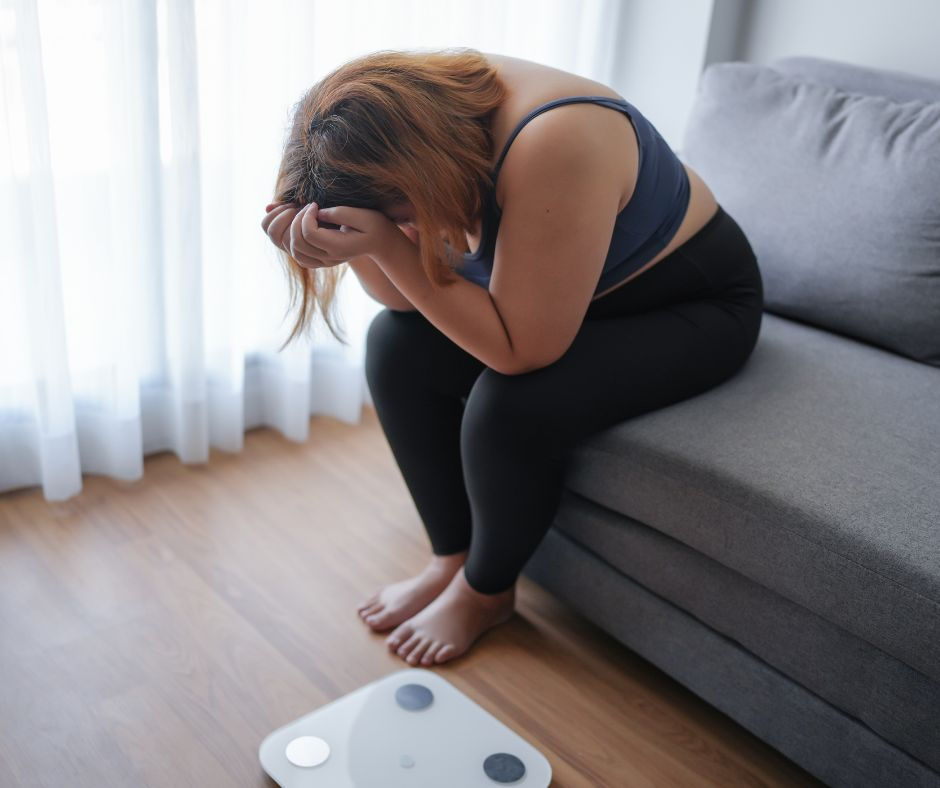
Weight loss & your bones: you losing more than body fat?
Losing excess weight can have important health benefits, but the way you lose weight matters, particularly after menopause.
When we lose weight, we don't just lose body fat. We can also lose muscle and bone mass. Rapid weight loss, very restrictive diets and inadequate calorie and protein intake can increase this risk. This is particularly important for women over 50, who are already experiencing increased bone loss as oestrogen levels decline.
What about weight-loss injections?
Medications such as Ozempic (semaglutide), Wegovy (semaglutide) and Mounjaro (tirzepatide) work partly by reducing appetite and helping you feel fuller for longer. While they can be effective weight-management treatments, eating considerably less can make it harder to obtain enough protein, calcium, vitamin D and other essential nutrients.
There is also growing interest in how substantial weight loss associated with these medications affects muscle and bone. Research is still developing, and we cannot currently say that these medications directly cause osteoporosis. However, the loss of muscle and potential reduction in bone density associated with significant weight loss are important considerations.
If you are trying to lose weight, or using weight-loss medication, don't overlook the importance of protecting your bones and muscles.
A few things to prioritise:
Eat enough protein: Include a good protein source at every meal to help preserve muscle.
Don't crash diet: Avoid excessive calorie restriction and rapid weight loss.
Protect your calcium intake: Make sure you are eating enough calcium-rich foods.
Check your vitamin D: Ensure you are getting adequate vitamin D.
Lift weights: Include regular resistance training to help maintain muscle and stimulate your bones.
Seek nutritional support: If you are taking weight-loss medication, make sure you have appropriate dietary guidance to help you meet your nutritional needs.
Remember, the goal should be to lose excess body fat while preserving muscle, protecting bone strength and maintaining good nutrition. A lower number on the scales isn't necessarily a healthier outcome if it comes at the expense of your strength and long-term health.
Eat for stronger bones
Bones need a range of nutrients, not just calcium. Aim for a varied, balanced diet with adequate energy, protein, calcium, vitamin D and other essential nutrients.
Calcium: the building block
Most adults in the UK need at least 700 mg of calcium daily. Women at increased risk of osteoporosis may be advised to aim for more, depending on their clinical circumstances therefore between 700mg – 1200mg is the range which is personalised based on risk and age.
Calcium-rich foods include:
Milk, yoghurt and cheese.
Calcium-fortified plant drinks and plant-based yoghurts.
Calcium-set tofu.
Tinned sardines and other fish eaten with their edible bones.
Kale, pak choi, watercress and broccoli.
Almonds, sesame seeds and tahini.
Beans and chickpeas, which contribute calcium alongside other nutrients.
Practical tip: Include calcium-rich foods throughout the day rather than relying on one food or meal. Check plant-based milk labels, as calcium content varies considerably.
NOTE: More is not always better.
Vitamin D: helping your body use calcium
Vitamin D helps your body absorb and use calcium and supports normal muscle function.
Sources include:
Oily fish, such as salmon and mackerel.
Egg yolks.
Foods fortified with vitamin D.
Sensible sunlight exposure during the months when sunlight enables vitamin D production.
In the UK, adults should consider taking a daily supplement containing 10 micrograms (400 IU) of vitamin D during autumn and winter. Some people need supplementation throughout the year or a different dose on clinical advice.
Protein: support for bone and muscle
Adequate protein helps maintain muscle mass, strength and physical function. Strong muscles support movement, balance and the forces that stimulate bone tissue.
Include protein-rich foods regularly, such as:
Eggs.
Fish and seafood.
Chicken and other lean meats.
Greek yoghurt, cottage cheese and other dairy products.
Beans, lentils and chickpeas.
Tofu, tempeh and other soya foods.
Avoid prolonged restrictive dieting or inadequate calorie intake, particularly if you are already underweight or losing muscle.
Magnesium and other nutrients
Magnesium contributes to normal bone structure and helps regulate calcium and vitamin D metabolism. Vitamin C is needed for collagen formation, while vitamin K is involved in bone metabolism.
A balanced diet can usually supply these nutrients without additional supplements.
Good sources include:
Magnesium: nuts, seeds, wholegrains, beans and green vegetables.
Vitamin C: berries, citrus fruit, peppers, broccoli and other vegetables.
Vitamin K: leafy green vegetables.
Zinc: meat, shellfish, dairy, beans, nuts and seeds.
Phosphorus: dairy foods, fish, eggs, meat, beans and wholegrains.
There is no need to take high-dose supplements of all these nutrients. Focus on food first and address any identified deficiency or specific clinical need.
Supplements: what is essential?
Supplements should fill nutritional gaps rather than replace a healthy diet.
Vitamin D
A daily 10 microgram supplement is recommended for consideration during autumn and winter in the UK. Year-round supplementation may be appropriate for people with limited sun exposure or other risk factors. People with osteoporosis or vitamin D deficiency may need a different dose prescribed or advised by their healthcare professional.
Calcium
Food is usually the preferred source. If you cannot obtain enough calcium from your diet, a supplement may be appropriate to make up the shortfall. The dose should reflect your dietary intake and individual needs, not automatically be a full high-dose supplement.
Magnesium
Aim to obtain magnesium through food. Routine magnesium supplementation has not been proven to prevent fractures in people who are not deficient. Supplements can cause diarrhoea and may be unsuitable for people with impaired kidney function.
Other supplements
Vitamin K, vitamin C, collagen products and other supplements are sometimes marketed for bone health. Evidence that routinely supplementing these prevents fractures is limited or insufficient. Correcting a deficiency is different from taking extra when your intake is already adequate.
Important: Check supplements with your pharmacist or GP if you take medication or have kidney disease, a history of kidney stones or other relevant medical conditions. Calcium and other minerals can interact with certain medicines.
Exercise: give your bones a reason to stay strong
Exercise is one of the most important lifestyle tools for maintaining bone and muscle strength.
The best approach combines different types of movement.
Strength and resistance training
Aim to include progressive resistance exercise on at least two days a week, working the major muscle groups as your ability allows.
Examples include:
Squats or sit-to-stand exercises.
Step-ups.
Resistance-band exercises.
Weight training for the legs, hips, back, chest and arms.
Exercises to strengthen the spinal extensor muscles.
Start at an appropriate level and gradually increase the challenge.
Weight-bearing and impact exercise
Walking, stair climbing and dancing are useful weight-bearing activities. Suitable higher-impact exercise may provide additional benefits for bone strength, depending on your health and fitness.
Walking is beneficial, but walking alone may not provide enough stimulus to maintain or improve bone density in all areas of the skeleton.
Balance and coordination
Practise activities that improve balance and stability. Better balance, alongside stronger muscles, can help reduce falls and fractures.
If you already have osteoporosis: Ask your GP, physiotherapist or appropriately qualified exercise professional for advice about safe exercise. People with spinal fractures or severe osteoporosis may need to avoid certain high-impact activities and repeated, heavily loaded spinal bending or twisting.
Lifestyle habits that matter
Don't smoke. Smoking is associated with poorer bone health and increased fracture risk.
Keep alcohol within recommended limits. The UK recommendation is no more than 14 units a week, spread over several days, with alcohol-free days.
Eat enough. Chronic under-eating and being underweight can compromise bone and muscle health.
Protect your balance. Review vision, footwear, home hazards and medicines that may cause dizziness or falls.
Stay active. Break up long periods of sitting and maintain regular daily movement.
Don't fear all carbohydrates, dairy or plant foods. A varied diet supports overall nutritional adequacy. There is no need to eliminate entire food groups for bone health without a specific medical reason.
HRT and bone health
Hormone replacement therapy can reduce bone loss and lower fracture risk while it is being used.
By replacing oestrogen, HRT helps counter the increased bone breakdown associated with menopause. It may be particularly relevant for women experiencing troublesome menopause symptoms who also want to discuss bone protection.
However:
HRT is not suitable for everyone.
The benefits and risks depend on your age, medical history, symptoms, formulation and preferences.
Women with a uterus generally need a progestogen alongside systemic oestrogen to protect the womb lining.
Bone protection decreases after HRT is stopped.
HRT is not automatically the best treatment for established osteoporosis or high fracture risk.
If you cannot or do not wish to take HRT, you still have options. Osteoporosis medicines can reduce fracture risk and may be recommended depending on your individual assessment.
Discuss your options with your GP or menopause specialist. Do not start, stop or change prescribed treatment without appropriate medical advice.
Do you need a bone density scan?
A DXA scan measures bone mineral density, usually at the hip and spine. Your clinician may use the results alongside your age, medical history and other risk factors to assess fracture risk.
You may wish to discuss assessment with your GP if you have:
A previous fracture after a minor fall.
Early or premature menopause.
A parent who had a hip fracture.
Long-term steroid use.
A medical condition or medication that affects bone health.
Significant loss of height or persistent, unexplained back pain, particularly if you have osteoporosis risk factors.
Your GP may use a fracture-risk assessment tool such as FRAX or QFracture to help decide whether a DXA scan or treatment is appropriate.
You do not need to wait for symptoms to ask about your risk. Equally, not every woman over 50 needs a scan: screening and assessment should be guided by individual risk.
Your bone-health action plan
Use this checklist to decide what you can improve this week.
Nutrition
I include calcium-rich foods every day.
I eat adequate protein across my meals.
I eat a varied diet with vegetables, fruit, wholegrains, nuts, seeds and other nutrient-rich foods.
I have checked whether I need vitamin D supplementation.
I have reviewed my calcium intake before considering a supplement.
Movement
I do strength or resistance exercise regularly.
I include weight-bearing activity suitable for my abilities.
I practise balance and coordination.
I have sought advice if I have osteoporosis, a previous fracture or concerns about exercise safety.
Lifestyle
I do not smoke, or I am seeking help to stop.
I keep alcohol within recommended limits.
I eat enough to support my bone and muscle health.
I take practical steps to reduce my risk of falling.
Personal risk
I know whether I have any major risk factors for osteoporosis.
I have discussed bone health with my GP if I have concerns or relevant risk factors.
I understand that lifestyle measures complement, but do not replace, prescribed treatment when it is needed.
Your takeaway
Strong bones are built and maintained through a combination of good nutrition, appropriate exercise, healthy habits and timely medical care.
Menopause is an opportunity to take stock of your bone health, understand your individual risk and make changes that support you for years to come. You cannot control every factor affecting your bones, but you can take meaningful steps to protect your strength, mobility and independence.
Information for education only. This blog does not replace individual medical advice, assessment or prescribed treatment.