
Why weight loss is harder for women over 50? And what can you do about it?

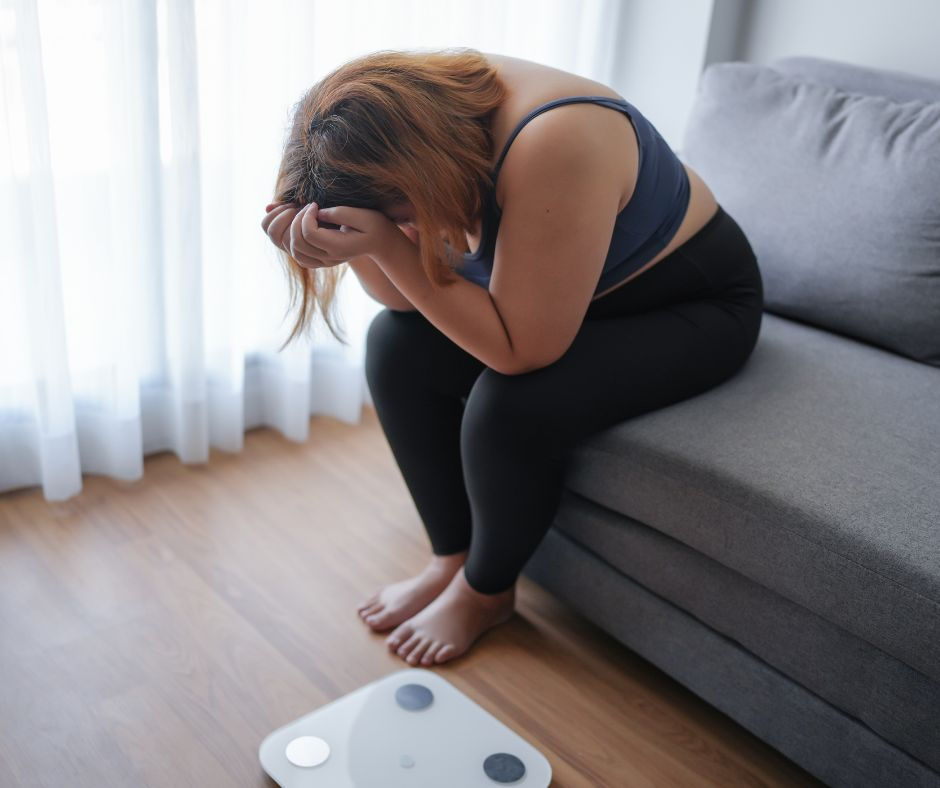
Have you ever felt that weight loss is harder for women over 50? The things that used to keep your weight under control just don't work any more?
Perhaps you've always been fairly active, but the pounds have gradually crept on. Maybe you're eating much the same as you always did, yet your waistline is getting bigger. Or perhaps you've tried cutting back on food, counting calories or doing more exercise, only to find the results disappointing.
If this sounds familiar, you're certainly not alone.
Many women find that managing their weight becomes more challenging in their 40s, 50s and beyond. And while it's easy to blame everything on menopause, there's actually a bit more to it.
The good news? Understanding what's changing in your body can help you make better choices, rather than simply trying harder at the same old things.
Let's look at what's going on and, more importantly, what you can do about it.
1. Your hormones are changing

During perimenopause and menopause, oestrogen levels fluctuate and eventually fall. This can influence where your body stores fat, with many women noticing more weight around their middle.
It's important to understand that menopause doesn't automatically cause substantial weight gain. Ageing itself plays a big role, but hormonal changes can contribute to the shift towards carrying more fat around the abdomen.
You might notice that your shape is changing, even if the number on the scales hasn't changed very much. This isn't simply a cosmetic issue. Excess fat around the middle is associated with a higher risk of conditions such as type 2 diabetes and heart disease.
What can you do?
You can't turn back the clock on your hormones, but you can support your health through the food you eat, regular movement, strength training, good sleep and stress management. That may sound like a lot but when you break it down, and some help and support it's very doable.
2. You may be losing muscle without realising it

Muscle is one of your body's most valuable assets as you get older.
From midlife onwards, we gradually lose muscle if we don't do enough to maintain it. From the age of 30 onwards women can lose from 3% to 8% muscle mass per decade. Between the ages of 30 and 80 women can lose between 30% and 50% of their muscle. We may also become less active, even without noticing.
Why does this matter for weight loss?
Muscle uses energy, including when you're resting. Just think, sitting on the couch burning calories, that's what your muscle does for you. As you lose muscle, your resting energy needs may fall a little. Changes in your activity levels can reduce your overall daily energy use further. That means the amount of food that maintained your weight in your 30s or 40s might now lead to gradual weight gain.
But here's the thing: losing muscle isn't an inevitable part of getting older. You can take practical steps to preserve and build it.
What can you do?
Include a good source of protein at each meal.
Do strength-building exercise regularly, working at a level that's appropriate for you.
Keep moving throughout the day, not just during a planned workout.
Avoid crash diets that leave you under-fuelled and make it harder to maintain muscle.
Walking is brilliant for your health, but adding resistance exercise can make a real difference to your strength, muscle and long-term independence.
3. The food you eat matters, not just how much

Last week in my Friday email, I talked about calories. why weight loss isn't as simple as looking at the numbers on a packet. (Message if you didn't see that.)
Energy balance still matters, but the foods you choose can influence how hungry you feel, how satisfied you are after a meal, how much muscle you maintain and how easy it is to manage your overall intake.
For example, compare a breakfast of toast and jam with one containing eggs, wholegrain toast and tomatoes, or porridge with Greek yoghurt, seeds and berries.
Both breakfasts can fit into a healthy diet. But the second options provide more protein, and depending on the ingredients, may provide more fibre too. These nutrients can help you feel satisfied for longer.
Now think about a day built around biscuits, toast, cereal bars and other convenient processed foods, compared with one that includes eggs, fish, chicken, beans, vegetables, fruit, nuts and other minimally processed foods.
It's not about banning particular foods or eating perfectly. It's about building meals that nourish you and make managing your appetite easier.
What can you do?
Start by looking at the quality of your meals before trying to eat less.
Protein: Include foods such as eggs, fish, chicken, lean meat, Greek yoghurt, cottage cheese, tofu, beans and lentils.
Fibre: Eat a variety of vegetables, fruit, beans, lentils, oats, nuts and seeds.
Healthy fats: Include sensible portions of foods such as olive oil, nuts, seeds and oily fish.
Carbohydrates: Choose the types and portions that work for you, with an emphasis on fibre-rich options rather than relying heavily on refined carbohydrates and sugary snacks.
Less highly processed food: Where practical, build more meals around ordinary, recognisable ingredients.
You don't need to follow a perfect diet or cut out carbohydrates. The aim is to find an enjoyable way of eating that supports your health, appetite and goals.
4. Sleep can have a bigger impact than you think

Waking through the night, too hot, can't get back to sleep or waking up tired?
Sleep problems are common during menopause, and they can make looking after yourself much harder.
When you're tired, you feel hungrier, crave quick sources of energy, have less motivation to cook and find exercise more difficult.
Poor sleep can also affect the hormones and signals involved in appetite regulation.
It can become a frustrating cycle: you're tired, you move less, food choices become harder and your weight may creep up.
What can you do?
Keep a reasonably consistent bedtime and waking time (consistent wake time is the most important).
Get daylight and some movement during the day.
Review your caffeine intake, especially later in the day.
Develop a relaxing wind-down routine.
If hot flushes, night sweats or persistent insomnia are affecting your life, seek appropriate advice rather than simply putting up with them.
You may not be able to fix every sleep problem overnight, but improving sleep is a worthwhile part of your weight-management plan.
5. Stress and the demands of everyday life matter too

Midlife can be a demanding time - juggling work, ageing parents, grown-up children, grandchildren, finances, or worries about your own health.
When life feels relentless, looking after yourself can slip to the bottom of the list.
Stress can influence appetite, sleep, food choices and how much energy you have for movement. Some people eat more; others eat irregularly and late.
Stress hormones also interact with the way the body regulates energy and stores fat, although stress alone doesn't explain weight gain.
The answer isn't to eliminate all stress. That's hardly realistic!
What can you do?
Make time for short breaks during the day.
Try slow breathing, mindfulness, yoga or another activity that helps you unwind.
Plan a few simple meals so that you aren't relying on whatever is quickest when you're exhausted.
Make movement something that helps you feel better, rather than another punishment on your to-do list.
Ask yourself whether you're genuinely hungry, tired, stressed or simply in need of a break.
Small changes can be more useful than an ambitious plan that adds even more pressure to your life.
6. You may be moving less than you used to

You don't have to be sitting on the sofa all day for your activity levels to have fallen.
Perhaps your job has become more desk-based. You drive more, spend longer sitting or have given up activities you once enjoyed.
Maybe you're still doing your weekly exercise class but moving much less during the rest of the day.
All those little movements add up. Walking around the house, taking the stairs, gardening, shopping on foot and getting up regularly from your desk all contribute to your daily energy use.
This everyday movement is sometimes called NEAT, which stands for non-exercise activity thermogenesis. You don't need to remember the name, just the principle! But if you want to read more, check out my blog on how NEAT is so important.
What can you do?
Take regular movement breaks if you sit for long periods.
Walk when it's practical.
Get back to an activity you enjoy, whether that's dancing, gardening, swimming or walking with a friend.
Include strength training and work towards a regular amount of aerobic activity that suits your ability and health.
You don't need to exhaust yourself with intense exercise. Consistency is far more useful than going all out for a week and then giving up.
7. Your old weight-loss approach may no longer suit you

Perhaps you've spent years following diets, skipping meals, counting calories, trying to be good, starting again on Monday.
These approaches can sometimes get short-term weight loss, but they don't help you build a sustainable way of eating.
Repeated restrictive dieting can leave you hungry, tired and frustrated.
Losing weight also tends to reduce the energy your body needs, so maintaining a lower weight can require different habits from those that worked before.
And if you're trying to lose weight while eating too little protein, doing little strength exercise and sleeping badly, you may be making the process harder than it needs to be.
This is why I don't believe in handing everyone the same meal plan and expecting the same results.
One woman might need to improve her breakfast and protein intake. Another might need to look at portions, evening eating or alcohol.
Someone else might need to address sleep, stress, activity or a combination of factors.
The best starting point is to understand your own habits and circumstances, rather than assume you need another strict diet.
So, where should you start?
You don't need to change everything at once. In fact, trying to do too much can leave you overwhelmed before you've even begun.
Here are five useful starting points.
1. Look at the meals you eat now. Are they providing enough protein, fibre and variety? Do they keep you satisfied, or are you hungry again an hour later?
2. Protect your muscle. Include protein regularly and find ways to build strength. This matters for your weight, bones, balance and independence as you age.
3. Review your daily movement. Look beyond formal exercise. How much are you sitting, and where could you add a little more movement?
4. Take sleep and stress seriously. They're not optional extras. If you're exhausted and overwhelmed, a plan that ignores those issues may be difficult to sustain.
5. Change things gradually and assess what happens. Start with one or two changes, give yourself time to establish them and review your progress. Your energy, hunger, waist measurement, strength and how your clothes fit can all provide useful information alongside the scales.
And if you're doing all the right things but your weight is changing unexpectedly, or you have other concerning symptoms, speak to your GP. Some health conditions and medicines can affect weight, and it's worth checking rather than assuming everything is down to menopause.
Why a personalised approach makes such a difference
Here's what I want you to take away from this article.
There isn't one perfect diet, one magic food or one exercise routine that works for every woman over 50.
We all have different health histories, food preferences, lifestyles, sleep patterns, stress levels and activity needs. We also respond differently to changes.
That's why, when I work with women in clinic, I don't simply tell them to eat less and move more.
I start by looking at what they're eating and make practical changes to improve the quality of their meals. That often means increasing protein and fibre, choosing more nourishing foods, adjusting carbohydrate choices and including healthy fats in appropriate portions.
Then, after that is bedded in, I look at the amount of food they're eating and how their meals fit into their day. For some women, meal timing or evening eating needs attention. For others, the priorities are quite different.
I also consider sleep, stress, strength, everyday movement and the other things that can make weight management easier or harder. I review what's working, make adjustments and build habits that can last.
The aim isn't simply to reach a number on the scales. It's to help you feel healthier, stronger and more confident about looking after yourself for years to come.
Ready to make a change?
If you've spent years dieting, feel that your body has changed and aren't sure what to do next, please don't assume you've failed or that it's too late.
You deserve an approach that makes sense for you.
My 12-week Happy & Healthy Weight Loss Programme offers personalised one-to-one support to help you understand your body, improve your eating habits, make sustainable lifestyle changes and work towards a healthier weight.
Together we look at your individual needs, set realistic goals and work through the changes with weekly sessions, tailored guidance, recipes and support between appointments.
You don't have to work it all out on your own.
Or book a free discovery call, and let's talk about what might work for you.
Because the second half of life can be the very best part — and it's never too late to invest in your health.
