
Foods for Woman Over 50


Are there foods for women over 50
As a women over 50 and a Nutritionist, one question I’m often asked is: “What do you actually eat?”
I get it. It’s one thing to talk about nutrition… it’s another to live it.
About 8 years ago, when I started training as a Nutritional Therapist, I began changing how I ate. Not overnight—but gradually. As I learned more about how food impacts our energy, weight, hormones, joints and long-term health, my shopping trolley started to look very different.
And something interesting happened…
The better I felt, the more motivated I became. The more I experimented, the more I enjoyed it.
Fast forward to now, and I help women over 50 regain energy, lose weight, sleep better, and feel stronger in their bodies again—largely through food (with a few smart lifestyle tweaks too).
So back to the question…
What do I actually eat?
Here are the foods I always have on hand—simple, nutrient-dense, and incredibly effective.
PROTEIN (the foundation for energy, metabolism & muscle)
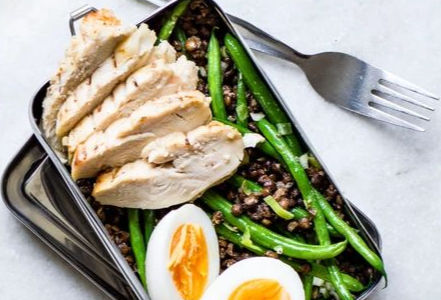
Chicken breast & thighs High-quality protein to support muscle maintenance (so important over 50), and very versatile. I often batch cook and shred it to add to breakfasts or lunches—quick, easy, and keeps me full for hours. Buy the best quality you can afford.
Salmon (ideally sockeye) Rich in omega-3 fats, which help reduce inflammation, support brain health, and are fantastic for joints and heart health. I aim for at least once a week (but eat oily fish 2-3 times a week)
Sardines One of the most underrated superfoods. Packed with omega-3s, calcium (great for bone health), and protein. Budget-friendly and incredibly nutrient-dense—I’ll often have these twice a week to supplement the sockeye salmon which can be expensive.
5% fat beef mince A great source of iron, zinc, and B vitamins—key for energy. I often stretch it with lentils to boost fibre and keep costs down as I like to buy organic mince. Think nourishing, balanced comfort food.
2% fat turkey mince Lean, high-protein, and lower calorie. Perfect for lighter meals like homemade meatballs. Helps keep protein high without excess calories—ideal for weight management.
Eggs A nutritional powerhouse. Protein, healthy fats, choline for brain health—plus they’re quick and satisfying. A go-to for breakfast, lunch, or even a quick dinner.
Egg whites My protein “top-up.” Great when I want to increase protein without adding extra fat or calories—especially useful for women trying to lose weight while maintaining muscle.
Greek yogurt High in protein and great for gut health. I’ll switch between 5% (more satisfying) and 0% (higher protein, lower calorie) depending on my goals.
Cottage cheese Another high-protein, low-calorie option. Brilliant for quick meals or adding creaminess without excess fat.
Tuna Lean, convenient, and packed with protein. A staple for easy lunches. I limit to once a week as tuna is a high mercury fish.

Prawns Very high in protein and low in calories—perfect for stirfries and curries, meals are low in calories but still keep you full.
Cod or hake Lean white fish that’s easy to digest and great when I want something lower in calories but still protein-rich.
FRUIT & VEGETABLES (for fibre, antioxidants & gut health)
Berries Low in sugar but high in antioxidants—great for reducing inflammation and supporting brain health. Also brilliant for satisfying a sweet tooth.
Kiwis A gut health hero. Rich in vitamin C and known to support digestion and regularity—something many women struggle with. Interestingly studies show kiwis are a great sleep aid.
Broccoli & cauliflower Cruciferous vegetables that support detoxification and hormone balance. High in fibre, low in calories—ideal for weight loss and long-term health. Ask my granddaughters what food I never shut up about and they will say BROCCOLI lol.
Broccoli sprouts Tiny but mighty. Exceptionally high in compounds that support liver detoxification and reduce inflammation—worth the (small) effort to sprout. I had a recent DNA profile done that identified genetic snips that mean my liver detoxification process needs a higher level of support so these broccoli sprouts are a daily staple for me now.
Spinach & leafy greens – packed with magnesium, folate and vitamin K to support bones, heart health and energy, while being fibre-rich, anti-inflammatory and very low in calories.
Courgettes Versatile, low-calorie, and great for adding bulk to meals without adding carbs—perfect for weight management.
Carrots, celery & onion The base of so many of the meals I cook. They add fibre, flavour, and important plant nutrients that support overall health. It's fab that most supermarkets now sell this mix as a Soffritto Mix in the freezer.
Edamame, peas & broad beans (frozen mix) A brilliant freezer staple. Adds plant protein, fibre, and nutrients to any meal in minutes. I get mine in Marks and Spencers
HEALTHY FATS (for hormones, brain & satiety)

Avocado Rich in monounsaturated fats that support heart health and keep you feeling full and satisfied. Also a good source of fibre.
Olive oil A daily essential. Anti-inflammatory, heart-protective, and a cornerstone of a Mediterranean-style diet.
Peanut butter or Almond butter A satisfying mix of fats and protein. Great for curbing cravings—but portion awareness matters!
Olives Another source of healthy fats with anti-inflammatory benefits—and a great savoury snack. I love sprinkling my chicken and feta tray bake with a few black olives.
Flaxseed, chia & hemp seeds Small but powerful. Rich in fibre, omega-3s, and support digestive and hormonal health.
Nuts Nutrient-dense and satisfying. A little goes a long way in supporting energy and reducing hunger.
FIBRE-RICH CARBS (for gut health, blood sugar & fullness)
Oats Great for cholesterol and gut health thanks to their soluble fibre. I use them strategically depending on activity and goals.
Quinoa A higher-protein grain that’s also rich in fibre and minerals—great for balanced meals.
Lentils Fantastic for fibre, plant protein, and gut health. Also help stabilise blood sugar when paired with other foods. I add red lentils to almost all my stews, casseroles, curries etc and always beef up my mince dishes with a tin of green lentils.
Chickpeas Versatile and filling. Great for adding bulk and fibre to meals—helping you feel satisfied without overeating.
Butterbeans Creamy, comforting, and brilliant for fibre and plant-based protein—especially good in stews and salads.

Final Thoughts
You’ll notice this isn’t about perfection, restriction, or “superfoods.”
It’s about:
Protein at every meal
Fibre for gut and metabolic health
Healthy fats for hormones and satiety
Simple, repeatable habits
These are the foods that help me feel energised, strong, and in control of my weight. They suit my personal preferences, and I’m fortunate not to have any food intolerances.
But this isn’t a one-size-fits-all approach.
When I work with clients, I tailor their core food list to suit their individual needs, preferences, and health considerations. Some are vegan or vegetarian. Others may be intolerant to foods like eggs or wheat. Some simply don’t enjoy certain proteins like chicken or red meat.
I also work with clients managing specific conditions—such as IBS, where pulses may need to be limited, or diverticulitis, where seeds and nuts are often avoided during flare-ups.
Because the goal isn’t to follow my diet—it’s to find the version that works best for you.
PS This just gives you an idea of the my 'regulars'. I eat loads more fruit and veg varieties but these are my go to foods. And YES, I eat chocolate, biscuits, dessert, potatoes, cheese, pasta, rice, sour dough, but they make up a much smaller percentage of my overall food intake.
I'm all about making it easy so here's a few downloads for you.


